
Website Design Agency: Choosing the Right Project Team
Compare website agencies through their process, responsibilities, relevant work and approach to testing, ownership and long-term support.
Website Design Agency: How to Plan a Productive Working Relationship
Selecting an agency is easier when you know what your website project needs to achieve. A stylish proposal can create interest, yet clear responsibilities determine how the work progresses. A website design agency should explain its process, deliverables and expectations before development begins. Businesses in Pakistan also need to understand who prepares content, approves changes and manages the finished website. This guide explores those decisions through practical examples and review questions. You’ll learn how to compare relevant work, assess communication and organise feedback. It also covers testing, ownership and ongoing support. The aim is a productive working relationship that helps your team launch a useful website with fewer avoidable misunderstandings.
Give Your Website Design Agency a Clear Brief
Explain the business, its audience and the actions the website should support. Include relevant services, current content and examples of existing problems. A clear brief helps the agency ask useful questions and propose work that addresses your requirements.
Avoid relying entirely on reference websites. A reference can show a layout preference without explaining your customer journey or operational needs. Describe why you like particular features and whether they serve a genuine purpose. This helps the agency interpret inspiration without simply copying another company.
Compare the Relevance of Previous Work
Look beyond the visual style of portfolio images. Review whether the agency has handled similar content structures, enquiry processes or editing requirements. Ask what it contributed to each example and whether it remains responsible for the current website.
The guide to choosing a website development company provides further questions for this review. Explore live pages where possible and consider how the work behaves on mobile. Relevant evidence gives you a better basis for comparison than broad claims about creativity.
Identify Who Handles Each Responsibility
An agency may involve designers, developers, writers and project managers. Your business needs to understand who coordinates these roles and who answers practical questions. Confirm whether specialist work is included, handled externally or expected from your internal team.
Content responsibilities deserve particular attention. A project can stall when the agency expects approved text while the business expects the agency to write it. Agree who supplies images, verifies claims and approves final content. Clear ownership prevents important tasks from falling between the teams.
Review the Proposed Project Stages
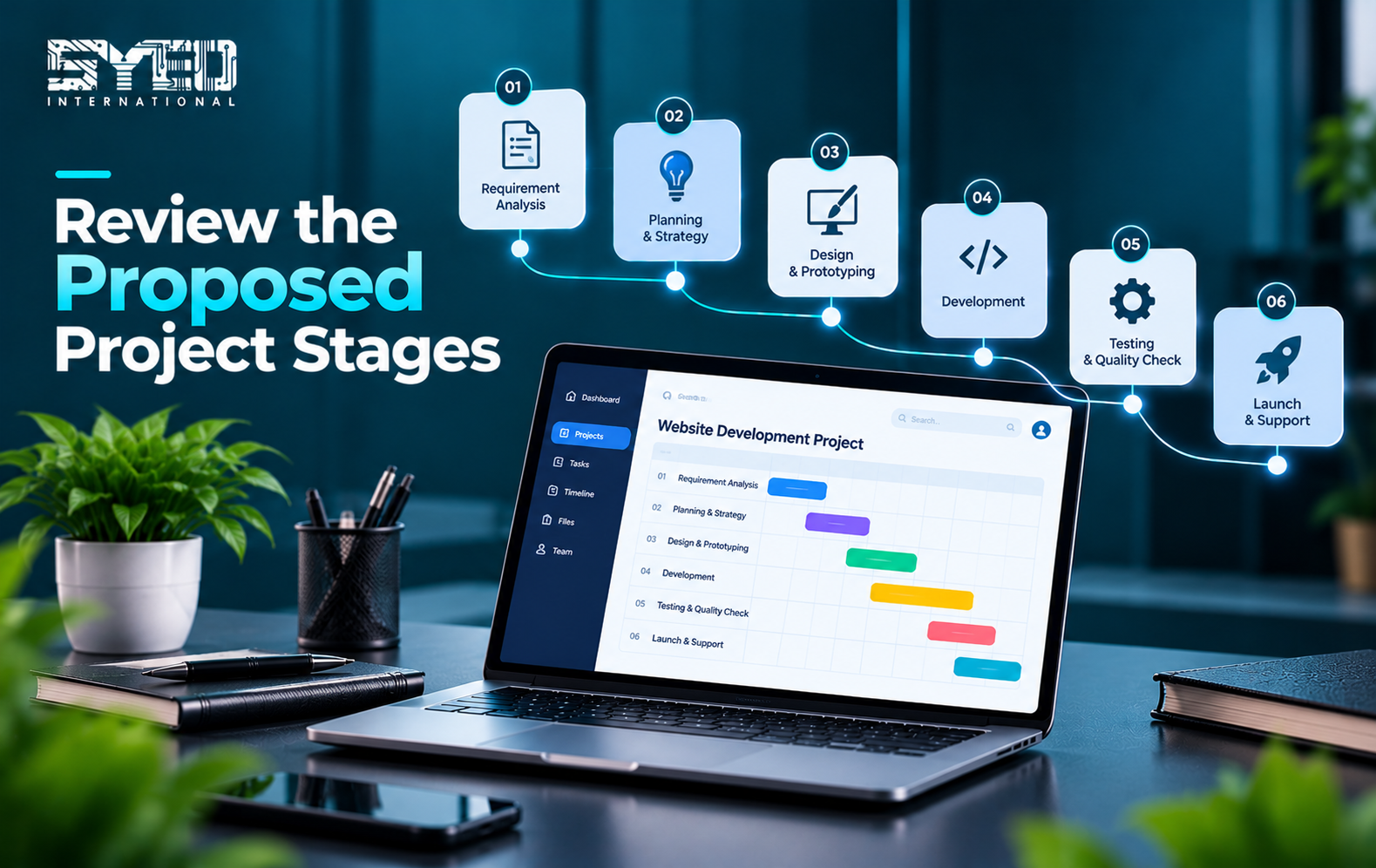
The process should provide useful opportunities to check direction. Early stages might cover structure and content planning before detailed design begins. Later reviews should demonstrate working pages and important functions. Each stage needs a clear purpose and understandable deliverables.
W3C’s planning resources also show that accessibility involves responsibilities across project roles and ongoing management. Ask how the agency incorporates those responsibilities into its workflow. Treat accessibility as planned work rather than a vague promise attached to the finished design.
| Project decision | What to clarify |
|---|---|
| Content | Who writes, supplies and approves it? |
| Design | Which page types and mobile layouts are included? |
| Development | Which functions and integrations will be implemented? |
| Testing | Who checks the important customer journeys? |
| Launch | Who manages publishing and final checks? |
| Support | What assistance continues after delivery? |
Organise Feedback Through One Clear Process
A website design agency can respond more effectively when feedback identifies the problem and its impact. Explain why customers may miss an action or misunderstand a section. This allows the team to propose a suitable solution instead of reacting to disconnected styling requests.
Collect internal feedback before sharing it. Several stakeholders may disagree about appearance while agreeing on the business goal. Resolve those conflicts where possible and separate required corrections from preferences. A clear feedback process helps avoid repeated revisions that move the design in opposite directions.
Review Scope Changes Transparently
New ideas often emerge once the website becomes visible. Some improve the agreed work while others introduce separate features. Ask how the agency records these requests and explains their effect on delivery. Important decisions should remain understandable after the conversation ends.
For example, adding a customer portal changes more than the appearance of a page. It can introduce account management, permissions and data handling requirements. Evaluate the new work properly instead of treating every request as a small adjustment simply because it begins with one button.
Confirm Ownership and External Dependencies
Understand who controls important accounts and what your business receives at handover. Clarify domains, hosting, source files and access to website administration. Record external tools or licences that the website depends on so future responsibilities remain visible.
Review how the website could be supported by another authorised provider if necessary. A clear handover helps preserve continuity when teams change. Discuss these expectations alongside website design and development services rather than waiting until the project is nearly complete.
Evaluate Support After Launch
Ask what happens when a defect appears after publication. Clarify the difference between correcting agreed functionality and introducing a new feature. Confirm how issues should be reported and what information the agency needs to investigate them.
Ongoing maintenance may involve a separate arrangement. Review update responsibilities, backups and content support according to your website’s needs. A dependable working relationship includes realistic expectations about continued care, rather than assuming every future request belongs to the original project.
Frequently Asked Questions
What should a website design agency provide?
The agreed scope may include planning, design, development and testing, with additional services depending on the proposal. Ask for a clear description of deliverables and responsibilities. Agency size alone does not explain which activities are included or who performs them.
Should an agency prepare all the website content?
It can, if that service is included, but your business still needs to verify factual information. Service descriptions, project examples and company claims require accurate input. Agree the writing and approval process early so content does not become an unresolved responsibility.
How should progress be reviewed?
Use agreed milestones and practical demonstrations. Early reviews can confirm structure while later reviews show working functionality. Record decisions and outstanding issues. This gives your team a clearer picture of progress than relying on occasional screenshots or general statements about completion.
Is ongoing support automatically included?
No. Support arrangements vary and should be confirmed in writing. Ask which issues are covered, how requests are submitted and when additional work needs a separate agreement. Understanding those boundaries helps your business plan for the website’s operating life.
Choose a Team With an Understandable Process
A website design agency should make the project easier to understand, not harder to follow. Clear deliverables, organised feedback and documented ownership support a productive relationship. Relevant work matters, but the process behind that work deserves equal attention.
Prepare a practical brief before you contact Syed International. Include your audience, service information and the actions customers should complete. These details help the discussion move toward a website that serves your business and remains manageable after launch.